Reading view

Gjykata jep arrest me burg për Durim Keçin dhe banden e tij per trafik kokaine

Prokuroria e Posaçme ka njoftuar këtë të premte se ka arrestuar 3 persona dhe ka shpallur në kërkim 2 të tjerë, të cilët dyshohet se janë pjesë e grupit kriminal prej 10 personash që trafikuan nga Kolumbia 485.5 kg kokainë të përzier me pleh kimik, si dhe grupit që trafikoi kokainë nga Amerika Latine drejt Shqipërisë përmes lëkurave të kafshë.

Klevent Gjolena, Aldi Zonja dhe Musa Gjikola janë arrestuar nga blutë pasi Gjykata e Posaçme me kërkesë të SPAK lëshoi masën e sigurisë “arrest në burg”. Në kërkim janë shpallur Kevin (Arjan Margjoni) dhe Durim Keçi. Durim Keçi është emri më i njohur nga të dyshuarit e fundit, pasi ka lidhje me politikën. Ai konsiderohej vite më parë si një nga personat më të rrezikshëm të mafies shqiptare.

Sipas mediave italiane, në një nga seancat gjyqësore në shtetin fqinj, Durim Keçi ka kërcënuar prokurorët e Antimafias italiane. Duke iu drejtuar prokurorëve Francesca Nanni dhe Silvio Franz, ai ka deklaruar: “Ata të dy do t’i bëj të ma paguajnë shtrenjtë!”

Në vitin 2006 në Itali, ka qenë i pandehur në një proces gjyqësor, por lirohet nga qelia për një gabim burokratik dhe ndaj tij vendoset një masë më e zbutuar sigurie. Nga masa e arrestit më burg, lihet në detyrim paraqitje dhe kështu arratiset. Gjatë kësaj kohet Durim Keçi jetonte në Shqipëri.

Keçi është dënuar nga Gjykata e Genovës në Itali, me vendimin nr. SIEP 294/2013, datë 21.02.2014, me 9 vjet, 7 muaj e 22 ditë burg për veprat penale: “Dhunë, kërcënim dhe nëpërkëmbje të autoriteteve gjyqësore”, “Shkatërrim prone me pasoja të rënda”, “Trafikim të lëndëve narkotike”, “Krime me armë kundër personit”, “Pjesëmarrje në organizatë kriminale me qëllim trafikimin e lëndëve narkotike” dhe “Shfrytëzim prostitucioni”.

Për këtë rast, në qershor të vitit 2024 u dënuan me 89 vite burg nga Gjykata e Posaçme Nikolin Gjolena, Viktor Cervanaku, Enxhi Ferhati, Klajdi Kodra, Bledar Matoshi, Denilson Çervanaku, Zenel Çervanaku , Redion, Julian Malaj dhe Marildo Rona.

Nga hetimi për rastin e Frakullit, SPAK zbuloi edhe një tjetër grup të trafikut ndërkombëtarë drogës dispononte një laborator të përpunimit të kokainës në Qerekë të Krujës dhe 2 ambiente mbështetëse në Tiranë dhe Durrës. Nga hetimet rezulton se ata përdornin një biznes për të kamufluar trafikim, nëpërmjet kompanisë “Alb Lëkurë”. Ky subjekt kreu një pagesë më 11 maj të vitit 2024 me vlerë 23 mijë dollarë tek një firmë me vendndodhje në Republikën Domenikane, periudhë që u porosit edhe një sasi prej 24 ton lëkurë gjedhësh (me kripë).

Njoftimi i SPAK

Prokuroria e Posaçme kundër Korrupsionit dhe Krimit të Organizuar, në bashkëpunim me Policinë e Shtetit dhe Byronë Kombëtare të Hetimit (BKH), ka zhvilluar veprime të mëtejshme hetimore në kuadër të procedimit penal nr/141/1.1 i vitit 2026 (pa autor) që lidhet me trafikimin ndërkombëtar të lëndëve narkotike nga Kolumbia drejt Shqipërisë.

Më datë 4.3.2026, Gjykata e Posaçme e Shkallës së Parë për Korrupsionin dhe Krimin e Organizuar, me vendimin nr. 11, ka pranuar kërkesën e Prokurorisë së Posaçme për caktimin e masës së sigurimit personal ndaj 5 personave nën hetim dhe ka vendosur masën e sigurimit “arrest në burg”.

Më datë 5.3.2026, në zbatim të këtij vendimi, strukturat e Policisë së Shtetit kanë bërë të mundur ekzekutimin e masës së sigurimit për shtetasit K. Gj., M. Gj. dhe A. Z., ndërsa shtetasit K. (alias A.) M. dhe D. K. janë shpallur në kërkim dhe vijon puna për lokalizimin dhe arrestimin e tyre në bashkëpunim me partnerët ndërkombëtarë.

Procedimi penal nr. 141/1.1 të vitit 2026 rrjedh nga procedimet penale nr. 141 të vitit 2022 dhe nr. 141/1 të vitit 2023 të Prokurorisë së Posaçme.

Më herët, më datë 13.1.2026, Prokuroria e Posaçme ka vendosur ndarjen e akteve të procedimit penal nr. 141/1 të vitit 2023 dhe regjistrimin e tyre si procedim penal nr. 141/1.1 të vitit 2026, duke vijuar hetimet për veprat penale “Trafikimi i lëndëve narkotike”, “Prodhimi dhe shitja e narkotikëve”, “Grupi i strukturuar kriminal” dhe “Kryerja e veprave penale nga organizata kriminale ose grupi i strukturuar kriminal”, të parashikuara nga nenet 283/a, 283/2, 28/4, 333/a dhe 334/1 të Kodit Penal.

Ky procedim penal lidhet me hetimet për trafikimin gjatë vitit 2022 të një sasie prej 485.5 kilogramë lëndë narkotike e llojit kokainë, e importuar nga Kolumbia dhe e fshehur në një ngarkesë me “pleh organik artificial”, e cila është sekuestruar më datë 24.11.2022 në Frakull të Madhe, Fier.

Për këtë episod trafikimi janë dënuar tashmë 10 shtetas shqiptarë: N. Gj., V. Ç., D. Ç., K. V. (alias K.), Z. Ç., E. F., R. M., J. M., B. M. dhe M. R., ndërsa vijon gjykimi ndaj një shtetasi kolumbian, S. R. R.

Në vijim të hetimeve është bërë e mundur identifikimi i pesë bashkëpunëtorëve të tjerë të dyshuar në këtë aktivitet kriminal. Për rrjedhojë, më datë 19.02.2026, është urdhëruar regjistrimi në procedimin penal i shtetasve K. (alias A.) M., M. Gj., D. K., A. Z. dhe K. Gj., ndaj të cilëve ekzistojnë dyshime të arsyeshme, të bazuara në prova, për kryerjen e veprave penale të sipërcituara.

Në kuadër të hetimeve dhe me autorizim të Gjykatës së Posaçme janë kryer edhe disa kontrolle në banesa, automjete dhe ndaj personave të përfshirë. Si rezultat janë sekuestruar:

1 automjet Land Rover Range Rover Sport, viti i prodhimit 2018;
1 automjet Land Rover Range Rover Evoque, viti i prodhimit 2012;
1 automjet Land Rover Discovery, viti i prodhimit 2012;
1 automjet Land Rover Range Rover Velar, viti i prodhimit 2017;
2 aparate celularë.
Hetimet vijojnë për administrimin e provave të tjera dhe për identifikimin e personave të tjerë që mund të jenë të përfshirë në këtë veprimtari kriminale.

  •  

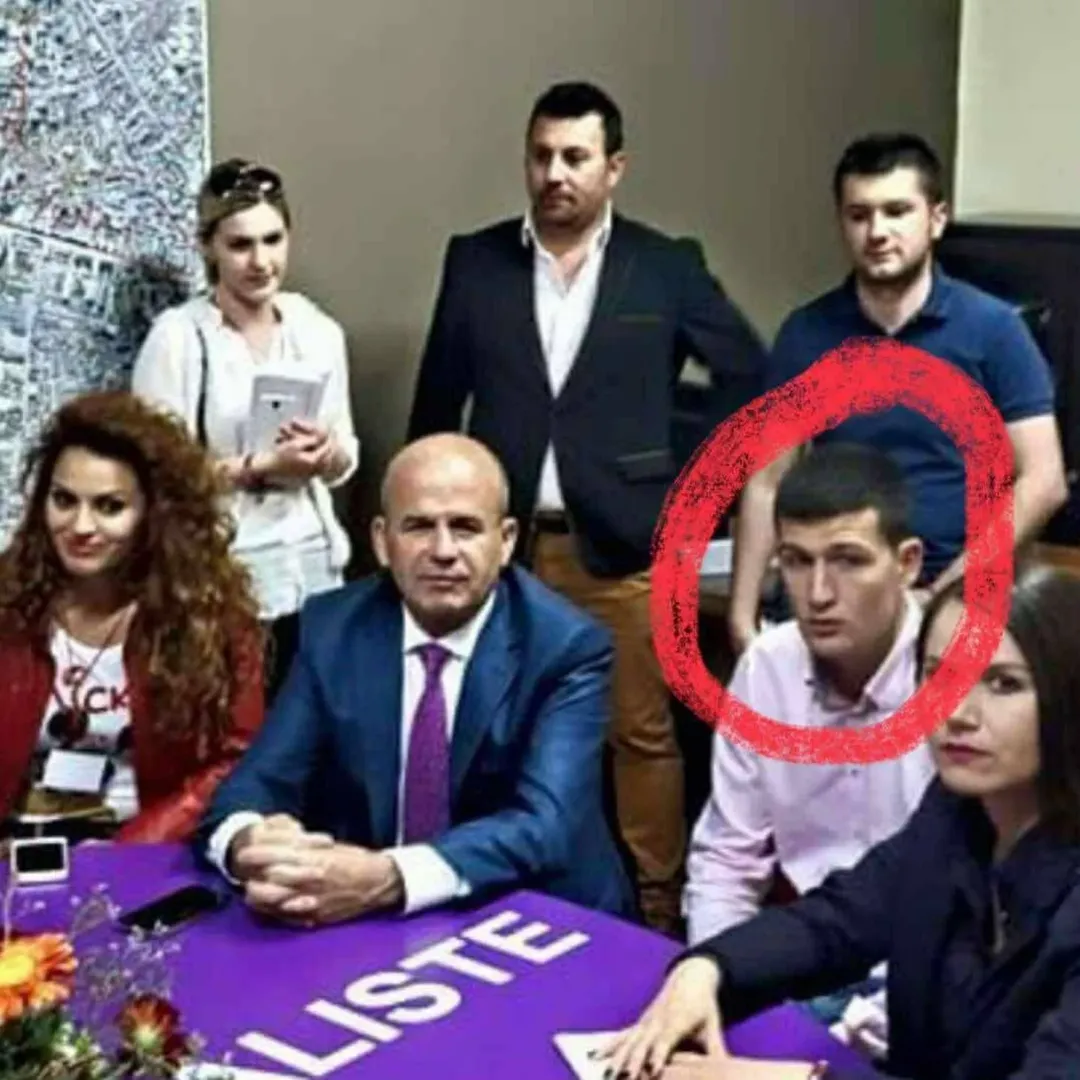
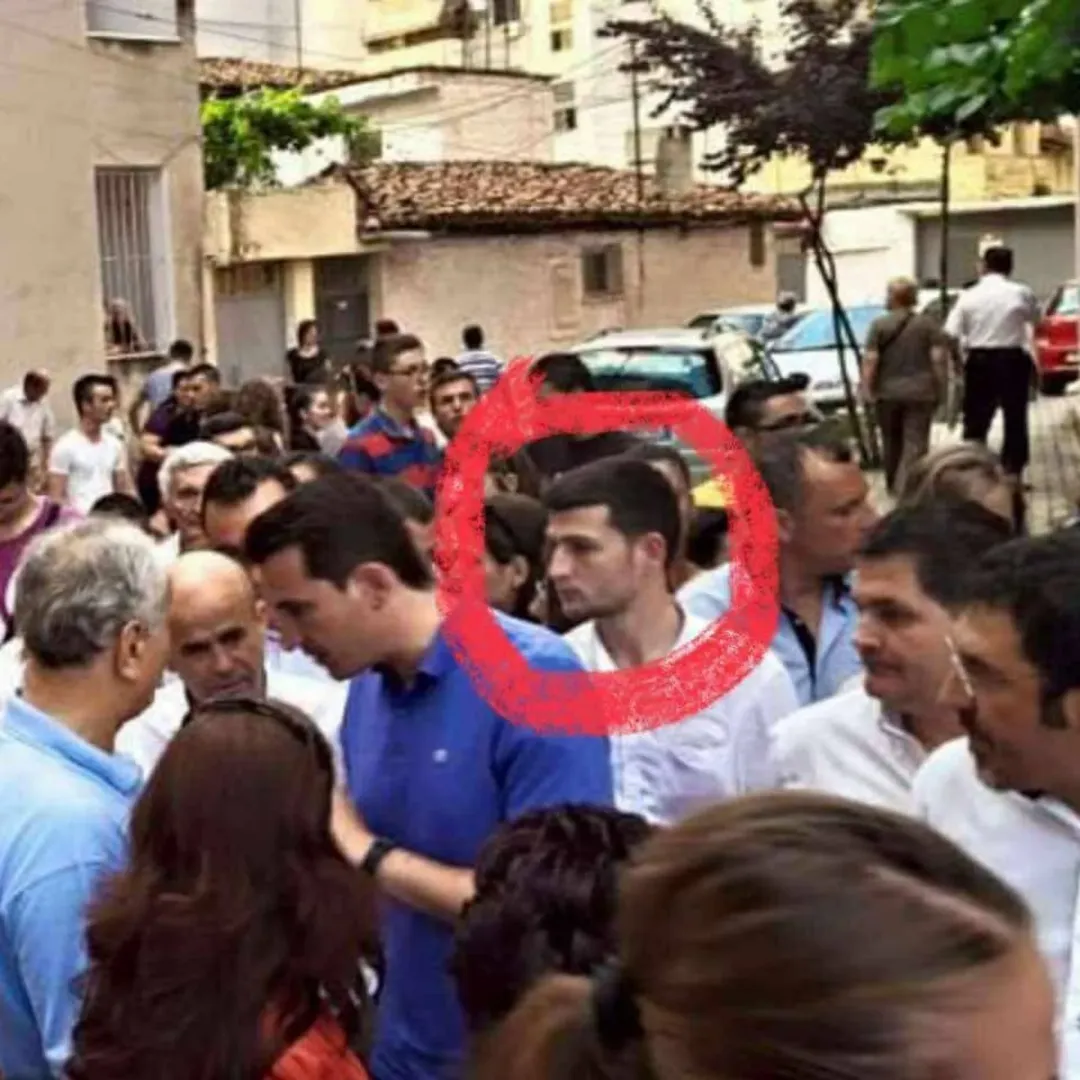
Dalin fotot, si Arber Hajdari rrinte si hije pas Veliajt dhe a po hetohet per pastrim parash nepermjet bamiresise

“Bamirësia nuk të varfëron”thotë slogani, por në realitet është kthyer në një mekanizëm pasurimi për ata që janë trajnuar herët në politikë, si Arbër Hajdari nën kujdesin e Erion Veliajt.
Por kujtesa kolektive nuk fshihet me propagandë dhe përpjekja për të prodhuar një ‘Veliaj 2’ nuk bind askënd.

Së shpejti, ky personazh, tashmë i kthyer në figurë publike të diskutueshme, pritet të shfaqet në dyert e SPAK-ut për të dhënë llogari.

Ndërkohë, mbeten pa përgjigje pyetje të rëndësishme:
A kanë pronarë tokat e dhuruara nga qeveria për fondacionin që ushtron bamirësi mediatike me paratë e kontribuuesve, e jo me fondet e veta?
Dhe më e rëndësishmja: kujt i takon realisht prona, ish-pronarëve legjitimë apo personave të afërt me kupolën politike të Edi Ramës?

Pas gjithë lëvizjeve qëndron babai i tij, Shkëlqim Hajdari, ish-drejtues prokurorie dhe i shpërblyer me poste nga Edi Rama në krye të Inspektoriateve.

Arbër Hajdari është përdorur dhe përdoret për pastrimin e parave të korrupsionit të babait të tij, Shkëlqim Hajdari, i cili ka qenë prokuror deri në vitin 2016, kur dha dorëheqjen pasi nisi të ndiente lakun e Vetingut.

Bashkë me Adriatik Llallën, Shkëlqim Fushën dhe Alaudin Malajn, Çim Hajdari, perceptohet mes ish prokurorëve më të korruptuar në Shqipëri, ku si për ironi del nëpër studio televizive dhe flet për SPAK-un dhe luftën kundër korrupsionit, kur duhet të ishte vetë prej kohësh subjek i SPAK bashkë me të birin.

Shkëlqim Hajdari është nga të vetmit ish funksionarë të drejtësi që drejton një degë të qeverisë, pasi është emëruar kryeinspektor i përgjithshëm nga qeveria, institucion i cili është përfshirë në abuzime dhe shkelje nga më të rëndat.

Me vila dhe prona qysh në gjimnaz

I biri pastron masivisht paratë me “Fundjavën Ndryshe”, ka përfituar fonde dhe prona publike. Arbër Hajdarit u bë pronar i një vile në periferi të Tiranë që kur ishte 19 vjeç, pa punuar asnjë ditë, por gjoja me kredi dhe marifete të tjera zakonshme.

Sipas dokumenteve, vila është deklaruar 90 mijë euro, por dyshohet se ka një vlerë disa herë më të lartë. Një 19 vjeçar që sapo ka mbaruar shkollën e mesme e ka të vështirë të blejë një palë xhinse me paratë e tij, ndërsa Arbëri blen vilë!

Në vitin 2012, kur ishte vetëm 18 vjeç, Arbër Hajdari krijon një fermë më dele dhe dhi, në Tujan të Tiranës, me një investim rreth 16 milonë lekë. Vitin që ngriti fermën me bagëti të imta, Arbër Hajdari fiton rreth 9 milionë lekë të vjetra, një vlerë tejet e dyshimtë për një djalosh që nuk merr vesh nga blegtoria.

Një vit më pas, në 2013, kur ishte 19 vjeç, Arbër Hajdari merr një grand me vlerë 50 milionë lekë nga Agjencia për Zhvillim Bujqësor dhe Rural, një nga drejtoritë më të korruptuara në Shqipëri.

Një çunak 19-vjeç merr rreth 50 mijë USD para publike për të investuar në fermën e tij, të hapur një vit më parë, në kushte kur delet dhe dhitë i ka parë vetëm në televizor.

Duket e vështirë për t’u besuar se një 19-vjeçar, megjithëse i regjistruar si biznesmen i madh, të ketë pasur njohuritë e nevojshme për të përfituar grante nga Ministria e Bujqësisë.

Një 19-vjeçar nuk bën dot as letrat formale për të aplikuar. Dyshimet janë që babai i tij, Shkëlqim Hajdari, të ketë ketë kopsitur procedurat administrative e ligjore, aq më tepër që posti i tij si drejtues i Prokurorisë së Apelit të Tiranës i krijonte shumë aksese në veprimtarinë e institucioneve të tjera.

Dy vjet pasi mori 50 milionë lekë nga paratë publike, Arbër Hajdari i fut një të shitur deleve dhe dhive, me vlerë 14 milionë lekë, dhe mbyll fermën. Ferma e tij zgjati tre vite, duke përfituar 50 milionë lekë nga paratë publike dhe duke qarkulluar dhjetëra mijëra euro para të dyshimta.

43 mijë m2 pronë publike për 20 vjet

Pasi përlau 50 milionë lekë nga Ministria e Bujqësisë, Hajdari ka marrë 43 mijë m2 pronë publike për 20 vjet nga qeveria e Edi Ramës, duke ngritur mbi të Fundjavën Ndryshe, e cila nëse i referohemi bilanceve financiare krijon dyshime të forta për vjedhje dhe pastrim masiv parash.

Në vitin 2016, Arbër Hajdari, pasi hoqi dorë nga bagëtitë në Tiranë, bleu një pemëtore me sipërfaqe 2 300 m2 në Borsh, me vlerë 15 mijë euro, si dhe 3 makina Smart. Më pas do të kalojë nga pemtaria tek bamirësia dhe media, aktivitete për të cilat do të flasim në vijim.

Të dhënat si dhe lëvizjet nga blegtoria, pemëtaria, media dhe bamirësia, ngrenë dyshime të forta për një aktivitet fiktiv të Arbër Hajdarit, për qarkullimin e parave të dyshimta të babait të tij, Shkëlqim Hajdari si prokuror.

Martesa me vajzën e oligarkut nga Kosova

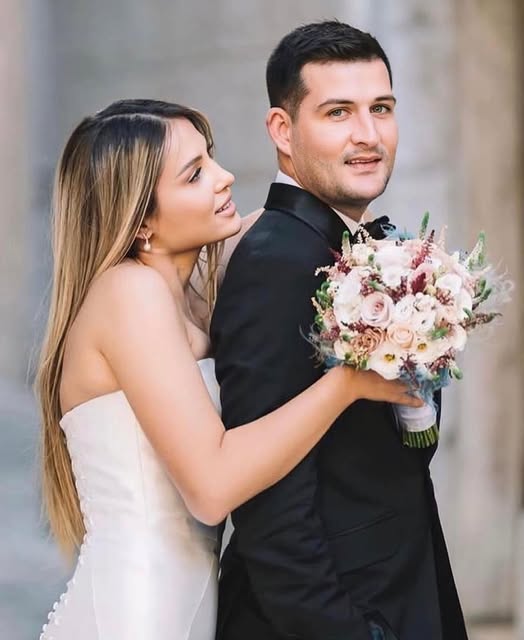
Arëbr Hajdari u martua 3 vjet më parë më vajzën e oligarkut nga Kosova Blerim Devolli, ndërsa njohja e tyre ishte në fondacionin “Fandjava ndryshe”.

Biznesmeni Blerim Devolli nga Kosova, është futur në Shqipëri, me firmën serbo-shqiptare “Devolli”, që ndër të tjera ka sjellë miellin dhe ushqimet e Serbisë në Shqipëri. Një nga arsyet që vitin e kaluar Edi Rama u shpreh se do ta shkrijë AKU-në, ishte plani që ka Ministria e Bujqësisë t’i japë këtij të fundit koncesionin e kontrollit të ushqimeve me një vlerë afro 7 milionë euro në vit. Kështu, nga një anë krushku i inspektoriateve dhe nga ana tjetër krushku i koncesionit të ushqimit, krijohet familja mafioze që merr në dorë dhe kontrollon monopolin e ushqimit.

Ndërsa paratë e vjedhura me korrupsion pastrohen me bamirësi nga fëmijët e tyre tek “Fundjava ndryshe”.

  •  

My Husband Died on Our Wedding Day – If Only I Knew He Fooled Us All

I never imagined he would notice me. But when he did—when he asked me out—it was like something out of a romantic movie.

We had our first date on a pier, walking hand in hand under the moonlight.

One year later, we were standing at the altar, promising forever.

I didn’t know that forever would last less than a day.

The day we got married was the happiest of my life. Damian couldn’t stop smiling, and I was crying happy tears as I read my vows.

But before we even made it to the reception, my husband collapsed.

At first, I thought he was joking—some silly wedding-day prank. But when he didn’t get up, panic spread like wildfire.

People rushed to help. Paramedics arrived. I stood there, frozen, watching them try to bring him back.

Nothing worked.

Hours later, in the cold sterility of the hospital, a doctor told me Damian was gone. A heart attack at just 32 years old.

How does a healthy man just die like that?

His family arrived at the funeral. I had met them only once before, and that was enough to know they didn’t approve of me.

They were wealthy, powerful, and ruthless. Damian had warned me about them but never told me everything.

Standing near the casket, I overheard his mother hissing into the phone:

“She was probably after his money and caused his death. Get our lawyer on the phone.”

I wanted to scream at her.

I didn’t even know Damian had money.

But I was too shattered to fight.

Grief devoured me. My apartment became a suffocating tomb of memories.

I needed to get away.

I grabbed my passport, threw clothes into a suitcase, and called a taxi.

I slid into the backseat, staring blankly out the window, trying to breathe through the pain.

Then I heard it.

“Fasten your seatbelt, please.”

My heart slammed against my ribs.

I knew that voice.

I turned my head so fast my neck ached.

There, in the rearview mirror, were Damian’s unmistakable hazel eyes staring back at me.

“Damian?” I whispered, my voice cracking. “How… how are you here? What…?”

His knuckles whitened against the steering wheel. Then he swerved the car, pulling onto a quiet, deserted street.

For a moment, he didn’t speak.

Then, turning to me, he said the words that changed everything.

“I’m sorry, Paige. I know this is a lot. Please don’t hate me.”

I sat there, mouth open, lungs frozen, as Damian unraveled the impossible truth.

He faked his death.

Why?

Because his wealthy, corrupt family wanted to control him—or destroy him.

They had used him for years, exploiting his brilliant mind to expand their shady business empire.

When he tried to leave their world and start a legitimate company, they threatened him.

Then he met me—and I became their leverage.

“They were going to ruin us, Paige. I had to disappear.”

So, he staged everything.

With the help of a fixer, he took a drug that slowed his heart rate, making it seem like he was dead.

A corrupt doctor played along. A funeral home was paid off.

“I was never in that coffin,” Damian admitted, voice heavy. “They swapped me out before the burial.”

I stared at him, shaking, torn between love and rage.

He let me grieve him. He let me suffer.

“YOU LET ME THINK YOU WERE DEAD!” I screamed when we finally got home.

“I had no choice!” he pleaded.

For hours, I yelled. Sobbed.

By morning, I was exhausted. Empty.

“What now?” I asked hoarsely.

Damian explained that by faking his death, he ensured his family couldn’t touch his legitimate assets. Everything had been transferred to me.

All I had to do was sell them and split the money with him.

Then he was leaving—abroad, for good.

“Come with me,” he asked softly. “I know I hurt you, but I did this for us.”

I shook my head, still in disbelief.

“I can’t just pick up where we left off,” I whispered. “I need space.”

He nodded. “I understand. I’ll wait for as long as it takes.”

For weeks, I ignored his texts. But as I worked to sell his business and settle his affairs, I started to see it.

He did it to protect me.

He was reckless. Stupid. But also selfless.

And I still loved him.

One night, I picked up the phone and dialed his number.

“Paige?” he answered, his voice full of hope.

“Where are you?” I asked. “I’ll come to you. But never do that to me again.”

Now, I’m in another country. They speak a different language, but the beach is 30 minutes away.

I left everything behind. And it was worth it.

Damian and I had another wedding, and this time, we actually got to enjoy it.

His family will never find us.

And we’re living our best life.

  •  

A Grandmother’s Secret Love and Her Hidden Legacy

The overgrown house caught my attention from the start. From my bedroom window, I could see its tall, unruly grass choking what could have been a beautiful yard. Each time the wind blew, the rusty wind chimes clanked together. The structure seemed to long for a fresh coat of paint. Vines clung to the peeling shutters, while the roof displayed signs of weathering countless storms. I discussed it with some of the neighbors, but they merely shrugged their shoulders.

“It’s owned by an elderly woman named Mrs. Waverly,” someone mentioned to me. “She’s lived here for ages, but not many people know much about her.”

On a sunny Tuesday afternon, I remember wandering past that house, looking for a grocery store that was supposed to be nearby. As I passed by the dilapidated fence, my imagination filled with stories of who might dwell in a place that seemed so clearly forgotten. There wasn’t a car in sight. No sign of anyone living there. I wondered if the person had moved away, perhaps living in a nursing facility. Maybe the house was empty. But everything changed on a crisp spring morning, forcing me to reconsider everything I thought I knew.

It was around 8 a.m., and I was pushing my bike along the sidewalk. Having run out of milk, I needed to make a quick trip to the corner store. Winter’s last whispers lingered in the air, though delicate blossoms were just starting to peek out on a few trees, promising the warmth that would soon arrive. That’s when I heard a strong, seasoned voice call out, “You there! “A girl in the red jacket!”

Startled, I looked around, finding no one at first, until I spotted a figure standing partway up the walkway to the overgrown property. She had a slender build, wearing a worn cardigan that might have been pink once, but now faded to a hue somewhere between muted rose and gray. A tousled bun of silver hair crowned her head, and there was an unmistakable intensity in her gaze, even from a distance.

I glanced back, certain she must be calling someone else. Yet, there was no one else around. “What is it?” I hesitated, wondering if I should move closer.

She spoke again, her voice as sharp and clear as the fresh morning air. “So, you’re the new girl, huh?”

I offered a small smile. “I suppose that’s true. I relocated here about five months ago.”

She paused for a moment, her gaze sweeping over me, then beckoned me to approach. “Would you mind coming over here for a moment?”

I hesitated briefly. My mother had always warned me about talking to strangers, but something about living in a small town made me feel a touch more adventurous. Gently, I rolled my bike closer to her crumbling fence. The elderly woman’s face bore the marks of time, with gentle wrinkles etching her mouth and forehead. Still, there was a resilience or pride in her posture that suggested she had resisted the years’ efforts to break her down.

“What is it?” I repeated, slightly unsure.

A slight frown creased her face for a moment, but then her eyes began to soften. “I’ve watched you pass by, whether walking or biking, and sometimes you pause to observe this house.” “You keep glancing over as if you have something on your mind.”

Unable to suppress a nervous chuckle, I felt a wave of embarrassment wash over me. “I— I was just curious about the place.” It seems… isolated.

A playful smile crossed her lips. “Lonely is an apt word. I’m Mrs. Waverly. And you are?”

“I’m Isabella Morgan,” I replied, “but everyone calls me Bella.”

She nodded, seemingly determined to remember my name. “So, Bella. If you’ve got a moment, I’d appreciate some company. My porch could use a bit more warmth these days.”

A quick glance at my watch showed no rush to reach the store. “Certainly,” I agreed, a warm smile spreading across my face.

Following her along the uneven concrete path, I stepped onto a wobbly wooden porch that creaked beneath us. She motioned for me to sit in a worn rocking chair as she settled herself into another one. A gust of musty air seeped through the slightly ajar front door. My gaze inside revealed what seemed like chaos—stacks of old magazines, a few boxes, and perhaps more. I kept it to myself.

We exchanged brief remarks about the weather, and she asked me about my life and work. I responded politely. Curious, I asked, “Have you lived here all your life?”

Her delicate hands folded in her lap as she glanced at the weathered wood of the porch railing. “Almost my whole life,” she answered softly. “That’s quite the story.”

I nodded gently, finding peace in the silence that surrounded us. There was something inexplicably calming about her presence, as if this unexpected friendship had always been meant to be. Eventually, I took my leave, remembering my errand at the grocery store. Before I left, she offered me a nod that felt like an invitation to return.

And so began my unexpected bond with Mrs. Waverly. In the following days, I found myself returning to her porch more frequently. Some days, I’d bring warm muffins from the bakery; on others, I’d carry a thermos of tea. She would greet me with a small, somewhat cautious smile. Initially, our conversations were brief and not overly personal. She often inquired about my day or what had caught my attention around town. I tried to ask her about her life, but her responses remained guarded, as if she were protecting something.

“I used to have a family,” she said quietly, her eyes on a knot in the porch floorboard. “Not anymore.” That was all, and it was clear she didn’t want to elaborate further.

Several weeks later, I noticed that her living room windows had gathered so much dust that they barely allowed any light inside. The house remained dim even when the sun shone brightly outside. Wishing to help, I suggested cleaning the dust and opening the shutters. She hesitated briefly, then replied, “Okay, if that’s what you want,” with a slight, resigned shrug.

Inside, the scent of mildew and neglect lingered in every corner. Stacks of newspapers loomed over me, precariously close to collapse. Even in the dim light, I noticed the purposeful arrangement of her keepsakes—old photographs perched on the mantle, crocheted doilies gracing the end tables. She lingered by the doorway, watching me closely, perhaps evaluating her decision to let me into her world.

“Why even bother, dear?” she asked one afternoon as I swept dust from an old bookcase.

I paused for a moment. “I want to help.” “And because I enjoy your company.”

It was true—there was something about her calm presence that eased the loneliness I had felt since arriving here.

She absorbed the answer in silence, then spoke softly. “You remind me of someone I once knew.”

“Who is it?” I asked, curious.

She turned away, her voice barely audible as she replied, “Just… someone from a long time ago.” With that, she fell silent, and I decided to let the topic go. Yet, there remained an air of mystery about her. Every corner of that cluttered house seemed to whisper secrets of a past I might never uncover, unless she chose to share them.

As weeks turned into months, I established a comforting routine: hunting for jobs in the mornings, taking on freelance writing gigs in the afternoons, and visiting Mrs. Waverly in the early evenings. She never directly invited me over, but with each visit, I sensed the relief radiating from her. Despite her tough exterior, she seemed to appreciate having company, and I found solace in her presence as well.

One day, while rummaging through her living room closet for some old rags to dust the shelves, a box tipped over and spilled its contents. Out tumbled old photographs—a younger Mrs. Waverly smiling beside a tall man, both radiating joy as they posed for the camera. She cradled a baby in her arms, her face alight with happiness. In another photo, the child had grown into a toddler, sitting in a high chair with a cake in front of him. My heart raced with excitement. I would never have guessed she had a child. She had consistently said she had “no family anymore.”

That evening, I summoned the courage to ask about the photos. “I came across some photographs in the closet, with you and a baby… Do you want to organize them or have them displayed?” I attempted to speak gently, hoping not to offend.

Her face grew utterly still. Her gaze met mine, filled with sorrow and remorse. For a moment, her delicate hands fidgeted in her lap. “It’s better if they stay put,” she said, her voice tight. “He’s… no longer here.” It happened a long time ago.

She shot me a look that made it clear I should let the matter be, and I respected her wishes. Still, my curiosity deepened. Who was that child? Did she have a son or a grandson? I held back my questions, trusting she would share when and if she felt ready.

It was an overcast afternoon in early autumn when I arrived at her house, only to be struck by how unusually orderly the living room looked. The newspapers were neatly stacked, and the curtains were drawn, allowing a gentle light into the room. Two cups of tea rested on the coffee table, as if she had anticipated my visit. She waved me over to sit.

“I have something to share with you,” she said, her voice wavering. She appeared so frail, even paler than usual, yet her eyes sparkled with determination. “I’m not well.”

A heaviness settled in my chest. “Is there anything I can do?”

A tender, bittersweet smile quivered on her lips. “You’ve already done so much, my dear.” “Just promise me one last thing: You’ll look after this old house, no matter what happens.”

I blinked, confused. “Of course, but why?”

Taking a deep breath, she sighed. “I’m leaving soon.” The doctors have told me that my time might be limited, and honestly, I just don’t have the energy to dispute that.

Tears threatened to blur my vision. “You’ve become important to me too,” I said, voice trembling. “I wish you had shared this sooner.”

She gently shook her head. “I felt a deep sense of shame. About the chaos, about my life, about the errors I’ve committed. Many folks don’t perceive just how simple it can be to barricade yourself from others, to build walls around your heart. But you… you managed to slip through. I never wanted you to witness my vulnerability. I’m really thankful that you did.”

I reached out to hold her hand, covering her thin, cold fingers with my own. She squeezed back with surprising strength. We spoke quietly for the next hour about simple things—how to perfect homemade pie crust and the best method for planting tulip bulbs. It felt like we both craved a semblance of normalcy, even as the inevitable loomed like a dark cloud.

Weeks turned into more time. The crisp autumn air carried a sense of quiet resignation with it. Each visit revealed the house more tightly locked, with curtains drawn. Concern gnawed at me. A late afternoon found the door slightly ajar and the living room lamp flickering in the fading light. Inside, I found the local hospice nurse kneeling beside the couch where Mrs. Waverly lay, her eyes closed, breaths shallow.

Her final words were gentle, barely a whisper. “Thank you… for reminding me of family,” she murmured, squeezing my hand softly. With a deep breath that seemed to release all that had weighed her down, she slipped away.

The funeral was intimate and quiet, attended by a few neighbors and the hospice chaplain. No family appeared, no relatives, no tears at the grave. I stood there, my coat wrapped firmly against the biting wind, saying one last goodbye. “Thank you, Mrs. Waverly, for letting me in,” I said, voice trembling, tears trailing down my cheeks. I honestly thought it would be our last connection.

About a month later, a sudden knock shattered the peaceful rhythm of my morning. Opening the door, I found a sharply dressed man with a sophisticated leather briefcase. “Good morning,” he greeted with a polite nod. “Your name is Isabella Morgan?”

“Yes,” I answered, utterly perplexed. “How can I help you?”

Introducing himself as the lawyer handling Mrs. Waverly’s estate, he said, “She wanted me to deliver something in person.” My eyes widened as he handed me a sealed envelope, her handwriting gracing it. My heart raced. Thanking him while inviting him inside, he declined politely, citing other obligations. As I closed the door, my hands trembled.

Opening the envelope, I discovered a letter nestled between legal documents. The letter read:

My dearest Bella,

When you read this, I’ll have already left this life. These past months, you’ve blessed me with the most precious gifts: your companionship, your understanding, a sense of family. What I never told you is that I’m your grandmother. The boy in those photos you found—he’s my son. Your father.

Unfortunate circumstances led to us losing touch, and I missed your and his lives. I feared you’d reject me if you learned the truth. I carried this burden for too long, unsure how to ask your forgiveness. By leaving you my estate, I hope to start mending my past mistakes. More than just money or a house, it’s a piece of my identity, a reminder of the love I shared with my family, and a chance for us to heal together.

With all my love, Your Grandma

My hands shook as I absorbed her words. My father never spoke of his mother, leading me to believe she had passed away or was far away. My father died young, and I never understood the absence of extended family. Now, I understood. She was there all along, two doors down. The loss deepened in unexpected ways: we had bonded in her final months, creating a connection neither of us realized was tied by blood.

The legal documents confirmed that I was her estate’s sole beneficiary. She was far wealthier than her modest home suggested, with stocks, bonds, and accounts totaling more than $20 million. I was astonished—it was overwhelming.

Days later, I found myself sitting at her dining table—now mine—surveying the stacks of documents in front of me. The property, once neglected and tangled, was entirely mine. The wealth, our shared moments, the pain of loss. Her inheritance caught me off guard—not for what I’d do with the money, but for how I’d preserve the spirit of her gift.

I spent hours exploring every corner of the house. I found journals, old love letters, photographs spanning decades, even the worn wedding portrait. In every photo, I saw my father’s face, youthful and smiling. I realized that my childhood lacked grandparents due to a family rift. I finally had a chance to mend it, symbolically.

Neighbors approached, curious about my plans for the property. Gossip spread about its fate—sell, demolish, or convert it into an Airbnb? Some suggested a quick sale for profit, but each time I felt a protective surge. This was more than a house. It was a story, one I could finish with care, countering the difficult truths that haunted her later years.

One evening, I discovered a back room I hadn’t explored, filled with canvases waiting to be unveiled. They were incomplete works—sun-drenched meadows, cozy lakeside cottages, vibrant floral still-lifes. Each canvas held dreams and a vibrant potential that life never allowed her to fully embrace. On the back of the largest canvas, I found a note in her handwriting:

“This is for Bella, my guiding light in the shadows.”

Tears streamed as I read it, realizing she had committed this to me long before we even spoke—a testament to the connection she sensed. Right then, I knew I had to breathe new life into her story, turning her home into a place she envisioned—a space for creativity, love, and cherished memories.

I dove into the renovations with enthusiasm. I hired a local team to strengthen the foundation, install a new roof, and restore the hardwood floors. While preserving her journals, paintings, and family photos, I felt increasingly connected to the woman who had watched me from her porch, who saw me as family when I didn’t know.

The town soon learned of my inheritance. Whispered tales suggested I had exploited an elderly, lonely woman. Others viewed it as a heartwarming twist of fate. I ignored the chatter and focused on honoring her trust in me.

As the house transformation neared completion, I set up a small gallery inside—displaying her paintings, sketches, and poems. I hoped every visitor would feel the house’s history and understand the legacy within. In the gallery, I placed her letter, framed with a note: “Family sometimes finds you, even when you didn’t know they were searching.”

After months of effort, I hosted an open house on a sunny Saturday afternoon to celebrate the renovation. Neighbors, friends, and local artists gathered, drawn to the change. I led them through each meticulously restored room, showcasing collected antiques, sharing stories behind the paintings.

In the gallery, the room filled with quiet awe. People lingered over the paintings, reading the letter, feeling the love imbued in every corner. Some eyes glistened with tears, touched by the story of Mrs. Waverly being my grandmother.

A neighbor, Mr. Parker, gently took my hand. “I had no idea she had family,” he said softly, eyes moist with unshed tears. “I’m so glad she found you.” His words mirrored my feelings—that destiny led me to her door, allowing me to be the granddaughter she longed for.

After everyone left, I settled onto the porch, sinking into the familiar rocking chair she once occupied. The sun set low in the sky, bathing the lawn in warm, golden light, a stark contrast to when it was overrun with weeds. Closing my eyes, I imagined her beside me, pondering what might’ve changed if we crossed paths earlier.

Perhaps more afternoons over tea in worn cups, chatting about life’s little things. Perhaps watching me grow, celebrating birthdays, sharing insights gained from a life filled with longing and regret. Regrets have little use; what truly counts is the time we had, brief as it was, and her last act of naming me her heir, filled with love.

I decided to transform the property into a shared art center and community space, keeping one wing of the house for myself. I established classes for painting, pottery, crafts—a place where locals could unleash creativity. In that space, her presence lingered, her dream realized with each brushstroke and every genuine laugh echoing within the walls.

Letters poured in from across the country. Tales circled about the unexpected inheritance or the lonely woman with hidden treasure. People shared their own stories of discovering family ties, heartbreak, reconciliation. Each letter reminded me I belonged to a beautiful web of human connections, proving the family we find later in life holds equal significance to those of birth.

Now, I find myself in an unimaginable role: caring for not just a home, but a legacy. I keep my promise, ensuring my grandmother’s memory isn’t shaped by the chaos or loneliness of her later years but by the love she shared with me in her final moments. The house stands vibrant, a beacon of life, color, and art among two immaculate white homes in our humble town.

I’ve learned that the most valuable gifts often don’t arrive with fanfare or immediate recognition. Often, they appear quietly in the closing chapters of someone’s story, offering new chances to those willing to embrace them. I used to think the highlight of my days here would be the peace of being unnoticed, but I discovered the true treasure was a grandmother I never knew I had.

Each morning, I roam the house, pausing at the gallery to adjust a painting or dust a photograph. Her letter echoes in my mind:

“You were my second chance, my redemption.” Knowing you filled my heart with joy you may never fully grasp.

Her words linger with me, soothing any lingering pain from losing my parents, feeling lost, seeking acceptance where I had no family. In her last act of kindness, Mrs. Waverly offered more than money or property; she gave me belonging and a reminder that love can flourish in the most unlikely places.

As I close the door nightly, the sun dips behind the twisted tree in the front yard, and I silently thank her—the grandmother who bridged past and future through me. When I hear a child laugh during an art class or see a neighbor wipe away tears from a touching painting, I know that this house, once overlooked with secrets, has become a space filled with light and love.

If I could speak to her again, I’d say: “I felt your love, Grandma, and I hope I made you proud.”

Some stories endure, not ending with a final goodbye. They live in every smile, shared moment, and heart finding its way home. That is the legacy of a once-forgotten house, of a lonely woman, and of the granddaughter she embraced only in her final months. Amid whispers of hidden truths and revelations, through heartbreak and joyful discovery, I found not just a grandmother but a future that fills me with pride.

  •  

In Her Letter to Santa, My Daughter Asked for ‘The Same Heart-Shaped Earrings Dad Gave to My Nanny’ — I Went Pale

“Dear Santa, please bring me the same heart-shaped earrings Dad gave to my nanny! Thank you!”

I stared at the note, my heart pounding. The words blurred as suspicion and confusion clouded my mind. Why would Jerry give Gloria, our nanny, earrings? And why hadn’t he mentioned it? My thoughts spiraled as I recalled moments when Jerry and Gloria seemed unusually comfortable with each other—the jokes, the thoughtful gestures, the gifts over the years.

Could it be? Had I been blind to something happening right under my nose?

Setting the Stage for Truth

The following day, I kept up appearances, going through our morning routine as if nothing had changed. Jerry left for work with a kiss, Ruth skipped off to school, and Gloria busied herself tidying up the house.

But inside, I was unraveling. Unable to confront Jerry without proof, I took a drastic step. That afternoon, I ordered a nanny cam, setting it up in the living room among the Christmas decorations.

I felt torn between guilt and necessity, but I had to know the truth.

The Unexpected Encounter

The very next day, my phone buzzed with a notification from the nanny cam. Jerry was home early, standing in the living room with Gloria. My heart sank as I watched him hand her a small, gift-wrapped box.

Without thinking, I left work and drove home, bracing myself for the confrontation.

When I walked through the door, both of them froze. Gloria sat on the couch, the box in her lap, while Jerry stood nearby, his face a mix of guilt and panic.

“What’s going on here?” I demanded, my voice trembling. “Jerry, are you seriously giving Gloria gifts behind my back?”

The Heartbreaking Explanation

Jerry took a deep breath, his voice steady but heavy with emotion.

“Dorothy, let me explain,” he began. “The earrings Ruth saw—they weren’t from me. They were from Brian.”

“Brian?” I asked, confused.

Jerry hesitated before continuing.

“Brian was my best friend,” he said quietly. “He passed away from cancer fourteen years ago. Before he died, he gave me a box of gifts for Gloria—his younger sister. He made me promise to give them to her at different milestones in her life.”

Tears welled up in Gloria’s eyes as she nodded.

“My brother knew he wouldn’t be there for me,” Gloria said softly. “These gifts are his way of staying connected, even after he’s gone.”

Jerry added, “I should have told you, Dot. I didn’t mean to keep it a secret. I just didn’t know how to explain something so personal.”

A Christmas of Healing

As Jerry and Gloria spoke, the pieces fell into place. My anger softened, replaced by a deep ache for what they had both endured and the beautiful promise Jerry had kept for his late friend.

That evening, we decided to share the story with Ruth, explaining in simple terms why the earrings were so special. Her eyes widened with wonder, and she declared, “Then I want earrings like that, too, so I can remember how much people love each other!”

On Christmas morning, Ruth opened a small box containing her very own heart-shaped earrings. Her face lit up with pure joy as Jerry and I exchanged a quiet look of understanding.

A Lasting Legacy

Those earrings became a symbol of love and loyalty—a reminder of Brian’s devotion to his sister, Jerry’s unwavering friendship, and the strength of our family.

Christmas that year taught us all a valuable lesson: Sometimes, love reveals itself in the most unexpected ways, through promises kept and truths uncovered. While the journey to understanding may be painful, it can also bring healing and deeper connections.

In the end, the truth didn’t just mend my heart—it made our family stronger.

  •  

I Adopted a Baby Left at the Fire Station – 5 Years Later, a Woman Knocked on My Door & Said, ‘You Have to Give My Child Back’

Five years ago, a single knock on the fire station door changed my life forever. On a stormy night, amidst the howling wind and eerie silence, I found a newborn baby abandoned at my station. That tiny boy, fragile and wrapped in a tattered blanket, became my son.

Life was a whirlwind of love and challenges, but just as I felt we were complete, an unexpected visitor appeared, trembling with a plea that turned everything upside down. It was a quiet, windy night at Fire Station #14. My partner Joe and I were halfway through our shift, sipping on lukewarm coffee, trying to stay alert for the unknown.

The eerie calm outside was broken by a faint, almost imperceptible cry. Joe and I exchanged glances, our instincts kicking in as we rushed outside into the biting cold. There, hidden in the shadows near the front door, was a basket. Inside was a newborn baby, cheeks red from the chill and tiny cries barely audible over the wind. My heart clenched as I picked him up, his little hand wrapping around my finger.

In the following weeks, I couldn’t stop thinking about that baby boy. CPS took him into temporary care, naming him “Baby Boy Doe.” I found myself constantly calling for updates, unable to shake the feeling that this child was meant to be part of my life. Joe, ever perceptive, asked if I was thinking about adopting him. My heart already knew the answer.

The adoption process was grueling. As a single firefighter, I faced endless questions about my ability to raise a child. Every inspection, every form, every conversation was an uphill battle. But I pressed on, determined to provide this little boy with the love and stability he deserved. Finally, the call came—he was officially mine. I named him Leo, inspired by his strength and determination. From that moment, it was us against the world.

Life with Leo was an adventure. Mornings were a chaotic mix of mismatched socks, cereal spills, and endless questions about dinosaurs. Bedtime stories were a ritual, though Leo often “corrected” my facts. Joe became a regular presence, pitching in whenever my shifts ran late or life felt overwhelming. Parenting wasn’t always easy, but every laugh, every hug, every whispered “I love you, Daddy,” made it worth it.

One evening, as Leo and I built a cardboard Jurassic Park in the living room, a knock at the door interrupted our laughter. I answered, finding a woman on the doorstep, her face pale and trembling. She introduced herself as Emily, Leo’s biological mother. Her presence was a shock, and her plea to be part of Leo’s life left me reeling. She claimed she had no choice but to abandon him years ago, a decision born of desperation and love. My protective instincts flared, but something in her broken voice held me back.

Leo peeked around the corner, clutching his stuffed dinosaur. I explained as gently as I could, introducing Emily as someone who knew him when he was little. Emily, with tears streaming down her face, simply said she was happy to see him. Leo clung to me, his small hand gripping mine tightly, seeking reassurance. I promised him no one would take him away.

Over time, Emily’s persistence began to wear down my walls. She showed up at soccer games, brought small, thoughtful gifts, and waited patiently for Leo to warm up to her. Little by little, her presence became a part of our routine. When Leo asked if she could join us for pizza one evening, I hesitated but agreed. Slowly, a fragile trust began to form.

Co-parenting with Emily wasn’t easy. I doubted her intentions, afraid she might hurt Leo again. But she proved me wrong, consistently showing up and respecting boundaries. We found a rhythm, learning to work together for Leo’s sake. She became a steady presence, not a replacement, but an addition to our family. One evening, as Leo slept, Emily thanked me for giving her a chance. For the first time, I admitted she wasn’t half-bad as a mom.

Years passed, and Leo thrived. By the time he graduated high school, he had grown into a confident, kind young man. Watching him accept his diploma, with Emily and I cheering from the crowd, was a moment of pure pride. That evening, as we laughed together in the kitchen, Emily and I exchanged a look of mutual understanding and gratitude. We had come a long way, and it had been worth every challenge.

Looking back, my journey from a single firefighter to a father and co-parent was far from what I’d imagined for my life. It was messy, emotional, and filled with unexpected turns, but it taught me the true meaning of family. It isn’t about perfection; it’s about showing up, loving fiercely, and embracing the imperfections that make us whole.

  •  
❌